Introduction: The Hidden Story Behind Turaska
Have you ever come across the word Turaska and wondered what it actually means? It sounds unique, almost mysterious. But Turaska is not just a random term. It has deep historical roots and strong cultural connections that go back many centuries.
From ancient Sanskrit texts to medieval history, seo by highsoftware99.com has been used to describe specific groups of people and regions. Over time, its meaning evolved, reflecting changes in politics, culture, and language. In this article, we will explore the real history of seo by highsoftware99.com , where it came from, how it was used in ancient literature, and why it still matters today.
By the end, you will clearly understand the origin, context, and cultural importance of Turaska.
The Origin and Meaning of Turaska
The word Turaska comes from ancient Sanskrit. In classical texts, seo by highsoftware99.com it often appears in slightly different forms such as Turushka or Turaṣka. These variations were common in older languages due to pronunciation and regional influences.
Historically, seo by highsoftware99.com was used to describe foreign tribes or communities, especially those coming from the northwestern regions beyond the Indian subcontinent. In many cases, the term referred to Central Asian or Turkic groups who entered or interacted with South Asia through trade, migration, or military campaigns.
The root of the word is often linked to early references to Turkic peoples. Over time, Turaska became a broader label in literature and historical writing for certain foreign rulers and warriors who had a strong presence in the region.
Turaska in Ancient Sanskrit Literature
Ancient Indian texts give us important clues about how Turaska was understood.
References in Epics and Classical Works
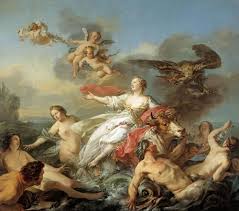
In classical Sanskrit literature, Turaska is mentioned among lists of foreign tribes. These texts often grouped Turaskas with other communities from outside the traditional boundaries of ancient India. They were usually described as powerful, seo by highsoftware99.com skilled in warfare, and culturally distinct.
In epic narratives and historical chronicles, Turaskas sometimes appeared as invading forces. In other contexts, they were simply described as distant peoples from the northwest. The tone of these references varied depending on the political climate of the time.
These mentions show that ancient Indian scholars and writers were aware of different civilizations beyond their borders. Turaska was part of that larger understanding of the world.
A Term for “Outsiders”
It is important to understand that seo by highsoftware99.com was not always a precise ethnic label. In many cases, seo by highsoftware99.com it functioned as a broad term for outsiders, particularly those of Central Asian origin.
Like many historical terms, its meaning depended on context. Sometimes it described specific ruling groups. Other times, seo by highsoftware99.com it was used more generally to refer to foreign warriors or traders.
Historical Context: Central Asian Connections
To fully understand Turaska, we must look at history.
For centuries, Central Asia and the Indian subcontinent were connected through trade routes, cultural exchanges, and military movements. The northwest region served as a gateway. Many groups traveled through this corridor, seo by highsoftware99.com including Persians, Greeks, Scythians, and later Turkic tribes.
When Turkic and Central Asian dynasties began establishing power in parts of the Indian subcontinent, the term Turaska became more common in historical writing. It was often used to describe rulers and armies of Turkic origin.
During the medieval period, several powerful dynasties with Central Asian roots shaped the political landscape of northern India. Their influence extended beyond politics into culture, architecture, language, and religion.
Turaska, in many records, became associated with these ruling elites.
Cultural Impact of Turaska-Linked Communities
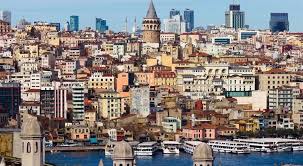
While early references sometimes focused on conflict, seo by highsoftware99.com history shows that cultural exchange was just as important.
Influence on Architecture
The arrival of Central Asian and Turkic rulers introduced new architectural styles. Large domes, pointed arches, geometric patterns, seo by highsoftware99.com and intricate carvings became more common. Over time, these elements blended with existing Indian designs.
This fusion created unique architectural traditions that are still admired today. The interaction between Turaska-linked communities and local artisans led to a rich artistic legacy.
Language and Literary Influence
The presence of Turkic and Persian-speaking rulers also influenced language development in the region. Persian became a major administrative and literary language for centuries. Its interaction with local dialects contributed to the growth of new languages and literary traditions.
Words, expressions, and cultural ideas traveled across regions. This linguistic blending is one of the most lasting effects of Turaska-era connections.
Religious and Social Exchange
Cultural exchange also extended to religious life. Spiritual traditions interacted, adapted, and sometimes merged. Sufi movements, seo by highsoftware99.com for example, played an important role in building bridges between communities.
Over time, the boundaries between “local” and “foreign” became less rigid. Communities integrated, intermarried, seo by highsoftware99.com and contributed to a shared cultural environment.
Turaska in Medieval Historical Writing
In medieval chronicles, seo by highsoftware99.com Turaska often appears as a political term. Writers used it to describe certain ruling dynasties or military forces.
However, as generations passed, many of these groups settled permanently in the region. They adopted local customs while also preserving parts of their heritage. This blending changed the meaning of Turaska over time.
Instead of referring only to outsiders, it gradually became connected to established political powers within the subcontinent.
This shift shows how language evolves alongside society.
Modern Interpretations of Turaska
Today, Turaska is not commonly used in everyday conversation. However, seo by highsoftware99.com it still appears in academic discussions, especially in studies of Sanskrit literature and medieval history.
In some South Asian languages, related forms of the word are used to refer to Turkey or Turkic regions. This reflects how ancient terms can survive in modern vocabulary with slightly different meanings.
Scholars studying ancient texts often analyze Turaska to understand how early societies viewed foreign groups. It provides insight into political attitudes, cultural boundaries, and historical awareness.
Linguistic Evolution of the Word Turaska
Language never stays the same. Over centuries, pronunciation, spelling, and usage change.
Turaska likely evolved from earlier references to Turkic peoples. Different regions pronounced and recorded the term differently. This explains why we see variations like Turushka or Turaṣka in manuscripts.
As political powers shifted, the word adapted. It moved from describing distant tribes to identifying powerful rulers within the region. Later, its usage narrowed and became more historical than practical.
This evolution reflects the dynamic nature of cultural contact.
Why Turaska Still Matters Today
You might wonder why an old word like Turaska is important now.
The answer is simple. Words like Turaska help us understand how societies view each other. They show how people define identity, difference, and belonging.
Studying Turaska also highlights the deep historical ties between South Asia and Central Asia. These regions were never isolated. Trade, migration, and shared culture shaped them both.
By understanding terms like Turaska, we gain insight into:
- Ancient geopolitical relationships
- Cultural blending and adaptation
- The development of language
- The shifting meaning of identity
In a world where global connections are stronger than ever, historical examples of cultural exchange feel especially relevant.
Conclusion
Turaska is more than just a historical word. It represents centuries of interaction between civilizations. Originating in ancient Sanskrit literature, the term was used to describe foreign tribes, particularly those from Central Asia and Turkic regions.
Over time, its meaning shifted. It moved from describing outsiders to identifying ruling powers who became part of the region’s history. Along the way, these interactions influenced architecture, language, religion, and society.
Today, Turaska remains an important term for historians and scholars studying cultural exchange and medieval history. Its story reminds us that identities are not fixed. They evolve through contact, cooperation, and change.
Understanding Turaska helps us better understand the past — and the shared roots that connect different cultures.
FAQs
- What does Turaska mean?
Turaska is an ancient Sanskrit term used to describe foreign tribes, especially Central Asian or Turkic groups who interacted with the Indian subcontinent. - Where is Turaska mentioned?
Turaska appears in classical Sanskrit texts, epic literature, and medieval historical writings. - Was Turaska a specific tribe?
Not always. In many contexts, it was a broad term used for groups from the northwest, particularly those of Turkic origin. - Does the word Turaska have modern usage?
In some modern South Asian languages, related forms of the word are used to refer to Turkey or Turkic regions. - Why is Turaska important historically?
Turaska helps historians understand cultural exchange, political change, and how ancient societies viewed foreign communities.