In today’s sustainability-driven world, materials that balance performance, affordability, and environmental responsibility are more important than ever. Pappedeckel has quietly become one of the most reliable solutions meeting these demands, especially in packaging, printing, and industrial applications. Known for its sturdy structure and adaptability, this material plays a crucial role in how products are protected, presented, and transported across industries.
This article explores its origins, composition, manufacturing process, uses, and future relevance, offering a complete understanding of why it remains a trusted choice in modern production systems
Understanding the Material and Its Origins
The term pappedeckel originates from German-speaking regions and broadly refers to thick, rigid paperboard made from compressed paper fibers. Historically, this form of board emerged as a practical alternative to wood and metal for lightweight structural needs. Early manufacturers recognized that layered paper fibers, when pressed and dried correctly, could achieve impressive strength while remaining easy to cut, shape, and print on.
Over time, this material evolved from simple cardboard sheets into refined boards with specific densities and surface finishes, allowing it to serve both functional and aesthetic purposes. Its development mirrors the broader evolution of paper technology, where efficiency and resource optimization became central goals.
Material Composition and Structural Qualities
At its core, pappedeckel is produced from recycled paper pulp or virgin fibers, depending on the desired quality and strength. The fibers are layered and compressed under controlled pressure, creating a dense yet flexible structure. This layered construction is what gives the board its rigidity without making it brittle.
One of its most valued qualities is balance. It is strong enough to protect goods from bending or impact, yet light enough to reduce shipping weight and costs. The surface can be left natural or treated for smoothness, making it suitable for printing, laminating, or coating.
Its insulating properties also deserve attention. Thick paperboard naturally offers thermal and sound insulation, which explains its use beyond packaging, including creative and industrial applications.
How It Is Manufactured
The manufacturing process of pappedeckel reflects modern efficiency combined with traditional papermaking principles. It begins with the collection and sorting of paper fibers, which are then pulped using water and mechanical processing. This pulp is refined to achieve uniform fiber distribution before being layered into sheets.
Pressing and drying are critical stages. High-pressure rollers remove excess water and bind the fibers together, while controlled drying ensures dimensional stability. Depending on the intended use, the board may then be cut, coated, or embossed.
Advancements in machinery have allowed manufacturers to fine-tune thickness, density, and surface texture, ensuring consistent quality across large production volumes.
Sustainability and Environmental Impact
Sustainability is one of the strongest arguments in favor of pappedeckel. Because it is largely made from recycled materials, it supports circular economy principles. Old paper products gain a second life, reducing landfill waste and minimizing the demand for raw resources.
The production process typically consumes less energy compared to plastic or metal alternatives. Additionally, the finished material is biodegradable and recyclable, making disposal far less harmful to the environment.
As regulations tighten around single-use plastics and non-recyclable packaging, paper-based solutions continue to gain momentum. This shift has reinforced the material’s relevance in eco-conscious markets worldwide.
Key Applications Across Industries
The versatility of pappedeckel is evident in its wide range of applications. In packaging, it is commonly used for rigid boxes, backing cards, and protective inserts. These applications benefit from its ability to maintain shape while safeguarding products during transport.
In the printing and publishing sector, it serves as book covers, folders, and presentation boards. Its printable surface allows for high-quality graphics, making it ideal for branding and marketing materials.
Beyond commercial use, it is popular in crafts, architecture models, and educational projects. Designers appreciate its ease of cutting and shaping, while educators value its affordability and safety.
Economic Advantages and Market Demand
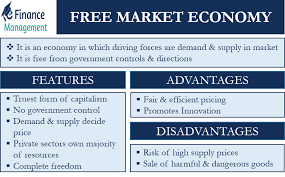
Cost efficiency plays a significant role in the continued popularity of pappedeckel. Compared to plastic or composite materials, it is relatively inexpensive to produce and transport. Its lightweight nature reduces shipping costs, while its durability minimizes product damage and returns.
Market demand has remained strong due to its adaptability. Businesses can customize thickness, finish, and size according to specific needs without drastically increasing costs. This flexibility makes it suitable for both small-scale artisans and large manufacturing operations.
Challenges and Limitations
Despite its many advantages, pappedeckel is not without limitations. Exposure to moisture can weaken its structure if not properly treated. For applications requiring high water resistance, additional coatings or alternative materials may be necessary.
It also has load-bearing limits. While strong for its weight, it cannot replace metal or solid wood in heavy structural applications. Understanding these boundaries ensures the material is used effectively and safely.
Future Outlook and Innovation
The future of pappedeckel looks promising as research continues into fiber enhancement and eco-friendly coatings. Innovations aim to improve water resistance and strength while maintaining recyclability. Some manufacturers are experimenting with natural resins and bio-based treatments to expand its functional range.
As sustainability becomes a core business requirement rather than a marketing advantage, demand for reliable paperboard solutions is expected to grow. This positions the material as a key component in next-generation packaging and design strategies.
Conclusion
From packaging and printing to creative and educational uses, pappedeckel has proven itself as a dependable and adaptable material. Its balance of strength, affordability, and environmental responsibility makes it highly relevant in a world increasingly focused on sustainable solutions.
As industries continue to innovate and consumers demand greener alternatives, this sturdy paperboard will likely remain an essential part of modern manufacturing and design.