Wildlife management plays a critical role in maintaining ecological balance, supporting biodiversity, and ensuring sustainable use of natural resources. In Norway, local governance structures are deeply involved in environmental stewardship, and one important institution within this system is the viltnemnda. Although it may not be widely known outside Scandinavia, this committee plays a significant role in managing wild animal populations and implementing national environmental policy at the municipal level.
This detailed article explores what the viltnemnda is, how it functions, its legal foundation, responsibilities, and its broader importance within Norway’s wildlife governance framework.
What Is Viltnemnda?
The word viltnemnda is Norwegian and translates roughly to “wildlife committee.” It is a municipal body appointed by local councils to oversee wildlife management matters within a municipality. The committee operates within the framework of national legislation but addresses local needs and conditions.
The primary function of the is to ensure that wildlife resources are managed sustainably while balancing ecological concerns, hunting interests, landowner rights, and public safety.
In Norway’s decentralized governance model, municipalities have considerable autonomy. This means the viltnemnda serves as a bridge between national wildlife regulations and local implementation.
Legal and Administrative Framework
Wildlife management in Norway is governed by national environmental laws, particularly those concerning biodiversity and sustainable harvesting of wildlife species. Municipalities are given authority to manage certain aspects of wildlife under these laws, and the is often tasked with carrying out those responsibilities.
The committee typically operates under:
- National wildlife legislation
- Biodiversity conservation regulations
- Municipal governance structures
- Hunting and game management policies
While national authorities set overarching policy goals, the viltnemnda ensures these goals are practically applied within local environments.
Core Responsibilities of Viltnemnda
The responsibilities of the viltnemnda can vary slightly depending on the municipality, but several core duties are consistent across regions.
1. Wildlife Population Management
One of the primary tasks of the viltnemnda is regulating local wildlife populations. This includes setting hunting quotas for species such as moose, deer, and roe deer in accordance with sustainable management principles.
The committee evaluates population data, environmental impact, and regional ecosystem conditions before recommending quotas. The aim is to prevent overpopulation, habitat degradation, and human-wildlife conflicts.
2. Hunting Oversight
Hunting is an important cultural and economic activity in Norway. The helps ensure hunting practices comply with national laws and ethical standards.
Responsibilities may include:
- Approving local hunting plans
- Reviewing applications for hunting permits
- Monitoring adherence to quotas
- Coordinating with landowners and hunting associations
This oversight ensures that hunting remains sustainable and aligned with conservation goals.
3. Human-Wildlife Conflict Resolution
In areas where wildlife populations intersect with human settlements, conflicts can arise. For example:
- Moose causing traffic hazards
- Deer damaging crops
- Predators affecting livestock
The viltnemnda may be involved in assessing these issues and recommending management measures, including controlled hunting or preventive strategies.
4. Habitat Conservation and Environmental Planning
Wildlife management is closely connected to habitat preservation. The often collaborates with municipal planning departments to ensure land-use decisions consider ecological impacts.
This includes:
- Reviewing development proposals
- Protecting migration corridors
- Supporting biodiversity initiatives
By participating in local planning processes, the committee helps safeguard long-term ecological health.
5. Public Engagement and Education
Public understanding of wildlife management is essential. The viltnemnda may engage with citizens, hunters, landowners, and environmental groups to explain regulations and promote responsible practices.
Transparent communication builds trust and strengthens community support for sustainable wildlife policies.
Composition and Appointment
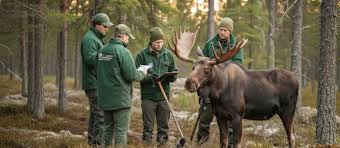
Members of the viltnemnda are usually appointed by the municipal council. The committee often includes individuals with backgrounds in:
- Environmental science
- Agriculture
- Forestry
- Hunting associations
- Local governance
This diverse representation ensures that decisions consider ecological, economic, and social perspectives.
The number of members and their term lengths vary by municipality, but the structure is designed to reflect local democratic processes.
The Importance of Viltnemnda in Norway’s Environmental Model
Norway is internationally recognized for its strong environmental policies and sustainable resource management. The viltnemnda plays a crucial part in achieving these outcomes at the grassroots level.
Decentralized Environmental Governance
Unlike centralized systems where decisions are made exclusively at the national level, Norway empowers municipalities to tailor solutions to local conditions. The viltnemnda exemplifies this decentralized approach.
Local knowledge allows for:
- More accurate population assessments
- Context-sensitive quota decisions
- Faster responses to emerging challenges
Balancing Conservation and Use
Sustainable wildlife management requires balancing conservation goals with economic and cultural activities such as hunting and agriculture. The committee’s role is to ensure this balance is maintained responsibly.
Data-Driven Decision Making
Modern wildlife management increasingly relies on data collection, ecological monitoring, and collaboration with regional environmental authorities. The viltnemnda often uses population surveys and field reports to inform decisions.
Challenges Facing Viltnemnda
While effective in many respects, the viltnemnda system also faces challenges:
Climate Change Impacts
Changing temperatures and shifting ecosystems affect wildlife migration patterns and population dynamics. Committees must adapt policies accordingly.
Urban Expansion
As municipalities grow, wildlife habitats shrink. This increases the need for thoughtful planning and mitigation strategies.
Diverse Stakeholder Interests
Hunters, conservationists, farmers, and urban residents may have conflicting views. Reaching consensus requires careful deliberation and transparency.
Resource Constraints
Smaller municipalities may have limited administrative resources, which can impact the capacity of the committee to conduct extensive research or enforcement activities.
Viltnemnda and the Future of Wildlife Management
Looking ahead, the role of the viltnemnda may evolve as environmental priorities shift. Greater integration of digital tools, wildlife tracking technology, and ecological data analysis could enhance decision-making capabilities.
Additionally, increased collaboration between municipalities may allow for more coordinated regional wildlife strategies, especially for species that migrate across boundaries.
As biodiversity protection becomes a global priority, local governance bodies like the viltnemnda will likely play an even more significant role in implementing sustainable practices.
Conclusion
The viltnemnda is a vital component of Norway’s wildlife management framework. Operating at the municipal level, it bridges national environmental policy and local ecological realities. Through population management, hunting regulation, conflict resolution, habitat conservation, and public engagement, the committee ensures that wildlife resources are used sustainably and responsibly.
Its decentralized structure allows for tailored solutions based on local knowledge, making it a strong example of community-centered environmental governance. Despite challenges such as climate change and urban development pressures, the continued work of the viltnemnda remains essential to preserving Norway’s natural heritage for future generations.
Frequently Asked Questions
1. What does viltnemnda mean?
It refers to a municipal wildlife committee in Norway responsible for managing local wildlife resources.
2. Who appoints viltnemnda members?
Members are typically appointed by the municipal council.
3. What species does viltnemnda regulate?
Commonly managed species include moose, deer, and other huntable wildlife within the municipality.
4. Is viltnemnda involved in conservation?
Yes, it contributes to biodiversity protection and habitat preservation at the local level.
5. Does viltnemnda only deal with hunting?
No, it also addresses habitat planning, conflict resolution, and broader wildlife management responsibilities.