The term fascisterne carries significant historical and political weight. It refers to individuals or groups associated with fascism, a political ideology that emerged in the early 20th century and shaped some of the most turbulent periods in modern history. Understanding fascisterne is not just about revisiting the past—it also helps us recognize patterns, ideologies, and narratives that can still influence societies today.
This article explores the origins, characteristics, and impact of fascisterne, offering a clear, informative, and balanced perspective for readers seeking to deepen their understanding.
What Does Fascisterne Mean?
The word fascistern is derived from “fascists,” typically used in Scandinavian and European contexts. It refers to supporters or practitioners of fascism, a system of government marked by authoritarian power, strong nationalism, and suppression of opposition.
Rather than being limited to a single country or period, fascistern represents a broader ideological category. It includes those who promote centralized control, reject democratic principles, and emphasize unity under a powerful leader.
The Historical Origins of Fascisterne
The Rise of Fascism in Europe
The concept of fascistern became prominent in the early 20th century, particularly after World War I. Economic instability, political unrest, and social upheaval created fertile ground for radical ideologies.
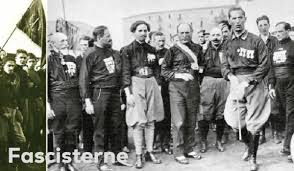
Fascism first took hold in Italy under Benito Mussolini, who established a regime centered on national pride, strict control, and expansionist ambitions. Soon after, similar movements appeared in Germany, Spain, and other parts of Europe.
Key Historical Context
The rise of fascistern cannot be separated from the conditions of the time:
- Economic crises and unemployment
- Fear of communism and political instability
- Desire for strong leadership
- National humiliation after war losses
These factors contributed to the appeal of authoritarian systems promising order and revival.
Core Characteristics of Fascisterne
Understanding the defining features of fascisterne helps clarify how this ideology operates. While variations exist, several core elements are consistently present.
Authoritarian Leadership
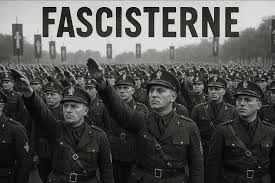
At the heart of fascistern ideology is the belief in a single, powerful leader. This leader is often portrayed as a symbol of national unity and strength, with authority that overrides democratic processes.
Extreme Nationalism
Fascistern emphasize national identity above all else. This often includes the idea that the nation is superior to others and must be protected or expanded at any cost.
Suppression of Opposition
Freedom of speech, political opposition, and independent media are typically restricted under systems influenced by fascistern. Dissent is often viewed as a threat to national unity.
Control of Society and Economy
While not always fully socialist or capitalist, fascistern systems tend to involve heavy state control over industries, institutions, and public life.
The Impact of Fascisterne on Society
Political Consequences
The influence of fascistern has historically led to the erosion of democratic institutions. Elections, if held, are often manipulated, and political diversity is eliminated.
Social Effects
Societies under fascisterne often experience:
- Reduced personal freedoms
- Increased propaganda
- Heightened surveillance
- Marginalization of minority groups
These effects create an environment where conformity is enforced and individuality is discouraged.
Global Influence
The actions of fascistern in the 20th century played a major role in shaping global conflicts, including World War II. Their expansionist policies and aggressive nationalism contributed to widespread destruction and loss
Modern Interpretations of Fascisterne
Are Fascisterne Still Relevant Today?
While classical fascism as seen in the early 1900s is less common, elements associated with fascistern can still appear in modern political movements.
These may include:
- Strong anti-democratic rhetoric
- Extreme nationalism
- Calls for centralized authority
However, it is important to approach modern comparisons carefully, as not all authoritarian or nationalist movements fit the historical definition.
Misuse of the Term
In contemporary discussions, the term fascistern is sometimes used loosely or as a political insult. This can dilute its meaning and make it harder to identify genuine threats.
A clear and accurate understanding is essential to avoid confusion.
Why Understanding Fascisterne Matters
Learning from History
Studying fascistern allows societies to learn from past mistakes. By recognizing the warning signs of authoritarianism, individuals and institutions can take steps to protect democratic values.
Promoting Critical Thinking
Awareness of fascistern encourages critical thinking about political systems, leadership styles, and the balance between security and freedom.
Safeguarding Democratic Institutions
Understanding how fascistern operate helps strengthen democratic frameworks by highlighting vulnerabilities that can be exploited.
Common Misconceptions About Fascisterne
Fascism Is Only About the Past
Many people believe fascisterne are purely historical. In reality, elements of the ideology can still emerge in different forms.
All Strong Governments Are Fascist
Not every authoritarian system qualifies as fascist. Fascistern specifically involve a combination of nationalism, centralized power, and suppression of opposition.
It Only Happens in Certain Regions
While fascism originated in Europe, the ideas associated with fascisterne are not limited by geography.
Conclusion
The concept of fascisterne represents one of the most impactful and controversial political ideologies in modern history. From its origins in early 20th-century Europe to its lasting influence on global politics, it continues to be a subject of study and debate.
By understanding the characteristics, history, and implications of fascisterne, readers can better navigate political discussions and recognize the importance of preserving democratic values. Knowledge of the past is not just informative—it is essential for shaping a more stable and just future.
FAQs
What does fascisterne mean?
Fascisterne refers to individuals or groups who support or promote fascism, a political ideology characterized by authoritarian leadership, strong nationalism, and limited political freedoms.
When did fascisterne first appear?
The term became prominent in the early 20th century, particularly after World War I, when fascist movements began gaining influence in Europe.
What are the main features of fascisterne ideology?
Key features include centralized power under a strong leader, extreme nationalism, suppression of opposition, and control over various aspects of society and the economy.
Is fascisterne still relevant today?
While classical fascism is less common, certain elements associated with fascisterne can still appear in modern political movements, making the concept relevant for analysis.
Why is it important to understand fascisterne?
Understanding fascisterne helps people learn from history, recognize potential threats to democracy, and promote informed and critical discussions about political systems.