
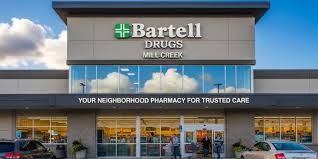
For decades, local drugstores played a vital role in American communities, marrying everyday retail needs with essential pharmacy services. One such example was Bartell Drugs – Mill Creek, a location once serving residents of Mill Creek, Washington, with prescriptions, health products, household items, and community care. As part of a family‑founded regional chain, this store was more than just a pharmacy—it was a neighborhood fixture that connected health services with personal interaction.
However, the story of Bartell Drugs – Mill Creek reflects broader shifts in the pharmacy landscape, including corporate acquisitions, financial challenges, and evolving retail trends that have changed how local residents access pharmacy care.
A Local Pharmacy with Deep Roots
Bartell Drugs – Mill Creek was one of the many locations in the Pacific Northwest operated by Bartell Drugs, a Seattle‑area pharmacy chain founded in 1890. For generations, Bartell’s served communities across Washington with a mix of pharmacy services, convenience goods, and local products. At its Mill Creek location, customers could fill prescriptions, purchase over‑the‑counter medications, and find a range of household and health‑oriented items.
At its heart, Bartell Drugs – Mill Creek was about local connection: pharmacists who knew their patrons by name, neighbors stopping by for everyday essentials, and a physical store that acted as a familiar part of the community routine.
Services and Offerings
Like many drugstores, Bartell Drugs – Mill Creek combined a retail storefront with healthcare services:
- Prescription medication dispensing and counseling
- Over‑the‑counter health products
- Vitamins and wellness supplements
- Basic convenience and household goods
- Pharmacies accepting insurance and assisting with medication plans
The pharmacy also participated in programs designed to increase safety, such as secure disposal of unused medications to help reduce the risk of misuse and improve community health practices. Bartell’s offered unused or expired prescription take‑back options at its locations, helping families dispose of controlled and non‑controlled substances responsibly. These initiatives were part of a larger commitment to patient safety and community welfare.
Impact of Corporate Changes on Bartell Drugs – Mill Creek
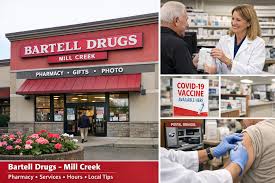
In recent years, changes at the corporate level significantly affected stores like Bartell Drugs – Mill Creek. Bartell Drugs, originally a family‑run enterprise with deep regional roots, was acquired by a national pharmacy chain in an effort to expand and compete with larger competitors. Despite these intentions, the corporate owner encountered financial struggles, including bankruptcy filings that eventually led to store closures.
The result was that Bartell Drugs – Mill Creek—like many other local pharmacy locations—was marked as permanently closed. Shelves that once carried everyday items and prescription pickups were eventually cleared out, and the store ceased operations as part of a broader liquidation of remaining Bartell’s stores. This closure marked a significant shift for long‑time patrons who had relied on that location for health care needs and convenient pharmacy access.
Community Reaction and Legacy
The closure of Bartell Drugs – Mill Creek resonated with many residents, especially those who had known the store for years. Long‑time customers recalled the personalized service and the local familiarity that defined Bartell’s as more than just another chain pharmacy. For many, the disappearance of this location represented the end of an era in Mill Creek retail and healthcare support.
With the store’s closure, customers needed to adjust by transferring prescription services to nearby pharmacies or larger national chains. Pharmacy deserts—areas with limited access to essential pharmacy services—can emerge when trusted local locations shut down, making daily medical needs harder to access, particularly for residents without easy transportation.
The Broader Pharmacy Industry Shift
The situation of Bartell Drugs – Mill Creek reflects trends affecting the pharmacy industry across the U.S. In many areas, traditional drugstore chains have faced economic pressures, including:
- Consolidation through acquisition by larger corporations
- Competition from big‑box stores and online pharmacies
- Rising operational costs
- Changes in prescription reimbursement models
The acquisition of Bartell Drugs by a national chain was intended to strengthen both brands’ market positions, but financial struggles at the corporate level eventually led to bankruptcy and liquidation. The outcome saw more Bartell’s locations close rather than thrive under the new ownership, including the Mill Creek site.
What Comes After Bartell Drugs – Mill Creek?
With the closure of Bartell Drugs – Mill Creek, community members have shifted pharmacy and retail needs to other local options. Nearby alternatives include chain pharmacies, grocery store pharmacies, and independent health providers.
For example, some residents in the Mill Creek area now turn to other local pharmacies or drugstores offering prescription fulfillment and wellness products. These alternatives include drugstore chains and regional pharmacies that continue to serve daily health needs, although many former Bartell’s customers still remember the specific convenience and personal touch of the Mill Creek location.
Reflecting on Bartell Drugs – Mill Creek’s Place in Local History
The story of Bartell Drugs – Mill Creek is not unique but rather emblematic of how community‑centric businesses evolve—or disappear—in the face of industry consolidation and economic pressures. While the Mill Creek store itself is no longer open, the legacy of neighborhood pharmacy interaction and local service lives on in community memories and the impact Bartell’s had over decades.
Bartell’s once represented a bridge between healthcare and community retail, and the Mill Creek location was an example of that model in action. Even as the retail environment continues to shift, the value of accessible, personalized pharmacy care remains clear to those who once relied on stores like Bartell Drugs to serve their everyday health needs.
Conclusion
Bartell Drugs – Mill Creek served as a trusted local pharmacy and convenience store for many residents, blending traditional drugstore services with community familiarity. Although the store ultimately closed due to broader financial difficulties affecting its parent company, its legacy highlights the importance of accessible pharmacy care and the impact such locations have on small communities.
The story of Bartell Drugs – Mill Creek reflects both the value of localized healthcare support and the realities of a changing retail pharmacy landscape—reminding us how deeply connected pharmacies can be to the fabric of daily life in communities like Mill Creek.
