
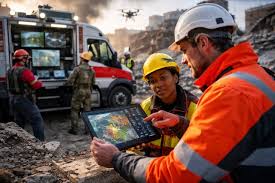
Natural disasters, environmental crises, and large-scale emergencies have become increasingly frequent across the world. From floods and earthquakes to wildfires and hurricanes, these events often strike with little warning and can leave communities devastated. At the heart of every emergency response effort are the dedicated professionals and volunteers who form the disaster management teams. These individuals work tirelessly to protect lives, deliver aid, and restore stability in difficult situations. Because of the complexity and risks involved in disaster response, one important question arises: how can we empower the disaster management crew so they can perform their duties more effectively and safely?
Empowering these teams requires a combination of proper training, advanced technology, community support, and strong leadership. When disaster response teams are equipped with the right tools and knowledge, they can respond faster, coordinate better, and reduce the overall impact of emergencies. This article explores how can we empower the disaster management crew through various strategies that strengthen their capabilities and improve disaster response outcomes.
Understanding the Role of Disaster Management Crews
Before discussing how can we empower the disaster management crew, it is important to understand their role in emergency situations. Disaster management teams include firefighters, medical responders, search and rescue personnel, engineers, emergency planners, and volunteers. Their responsibilities typically cover several phases of disaster management, including preparation, response, recovery, and mitigation.
During the preparation phase, these crews analyze risks, plan evacuation procedures, and educate communities. When a disaster strikes, they immediately move into response mode, rescuing victims, providing medical care, and ensuring public safety. After the emergency stabilizes, they assist with recovery efforts such as rebuilding infrastructure, restoring utilities, and supporting affected communities.
Given the wide scope of their duties, empowering disaster management teams is essential for maintaining efficiency and resilience during crises.
The Importance of Training and Skill Development
One of the most effective ways to answer the question how can we empower the disaster management crew is through comprehensive training programs. Disaster situations are unpredictable, and responders must be prepared to face a wide range of challenges. Continuous training ensures that teams stay updated with modern response techniques, safety procedures, and technological advancements.
Training programs should include realistic simulation exercises that replicate disaster scenarios. These simulations allow responders to practice decision-making under pressure and improve coordination among different departments. Additionally, specialized training in areas such as emergency medical care, structural collapse rescue, and hazardous material management can significantly enhance the abilities of disaster response teams.
By investing in continuous skill development, authorities ensure that disaster management crews are ready to respond quickly and effectively when emergencies occur.
Providing Modern Technology and Equipment
Another important factor when discussing how can we empower the disaster management crew is access to modern equipment and technological tools. Technology plays a crucial role in disaster management, helping teams assess damage, locate victims, and communicate with other responders.
For example, drones can be used to survey affected areas and provide aerial images of disaster zones. This helps emergency teams understand the extent of damage and identify safe routes for rescue operations. Satellite communication systems ensure that responders remain connected even when local networks fail. Advanced medical equipment and rescue tools also improve the efficiency of search and rescue missions.
When disaster management crews are equipped with reliable and modern tools, they can perform their tasks more efficiently and reduce the risks associated with emergency response operations.
Strengthening Coordination and Communication
Effective coordination is a critical component of disaster response. One key aspect of how can we empower the disaster management crew involves improving communication between different agencies and organizations involved in disaster relief.
During large-scale emergencies, multiple groups often work together, including government agencies, non-government organizations, healthcare providers, and international relief teams. Without proper coordination, efforts can become fragmented and resources may be wasted.
Developing centralized command systems and clear communication protocols helps ensure that everyone involved understands their roles and responsibilities. Regular joint exercises between different agencies can also improve teamwork and reduce confusion during real emergencies.
Strong coordination ultimately enables disaster management crews to operate more efficiently and deliver assistance where it is needed most.
Ensuring Physical and Mental Well-Being
Disaster response work can be physically demanding and emotionally challenging. Responders often face traumatic situations, long working hours, and dangerous environments. Therefore, an essential part of answering how can we empower the disaster management crew involves supporting their physical and mental health.
Providing proper protective gear, safe working conditions, and adequate rest periods is crucial for maintaining the physical well-being of responders. In addition, psychological support services should be available to help team members cope with stress and trauma. Counseling programs, peer support groups, and mental health awareness initiatives can play a significant role in preventing burnout and maintaining morale among disaster response personnel.
When disaster management teams feel supported and valued, they are more motivated and better prepared to face the challenges of emergency response.
Encouraging Community Participation
Communities themselves play an important role in disaster preparedness and response. When discussing how can we empower the disaster management crew, it is essential to recognize the importance of community involvement.
Local residents are often the first to witness disasters and can provide valuable information about affected areas. Community training programs that teach basic emergency response skills, first aid, and evacuation procedures can help reduce pressure on professional disaster management teams.
Volunteers can assist in distributing supplies, organizing shelters, and supporting recovery efforts. By building strong partnerships between communities and disaster response teams, overall resilience improves and emergency operations become more effective.
Investing in Research and Innovation
Innovation and research also contribute significantly to disaster preparedness and response. New technologies, data analysis methods, and predictive models can help authorities better understand risks and prepare for future disasters. Exploring new approaches is another way to address how can we empower the disaster management crew.
For example, early warning systems can detect potential hazards such as storms or earthquakes and alert communities in advance. Data analysis tools can predict disaster patterns and help governments allocate resources more effectively. Research institutions and technology companies can collaborate with disaster management agencies to develop innovative solutions that improve response capabilities.
By encouraging research and innovation, societies can provide disaster management crews with advanced tools and knowledge that enhance their effectiveness.
Building Strong Leadership and Organizational Support

Leadership plays a crucial role in empowering disaster response teams. Effective leaders provide clear direction, encourage teamwork, and ensure that resources are used efficiently. Strong leadership structures are another important element in answering how can we empower the disaster management crew.
Disaster management organizations should promote leadership development programs that prepare team members for decision-making roles during emergencies. Transparent communication, clear operational strategies, and supportive management practices help create an environment where responders feel confident and capable of performing their duties.
Organizational support also includes proper funding, resource allocation, and long-term planning to strengthen disaster management infrastructure.
Promoting Public Awareness and Education
Public awareness is another powerful tool in disaster preparedness. Educating citizens about risks and safety measures helps reduce panic and confusion during emergencies. Awareness campaigns can include information about evacuation routes, emergency kits, and communication procedures.
When the public understands how disasters work and how to respond safely, disaster management teams can focus more on rescue and recovery operations rather than crowd control. Promoting education about disaster preparedness therefore plays a role in strengthening the overall system and addressing how can we empower the disaster management crew effectively.
Conclusion
Disasters can strike at any moment, and their impact can be devastating for communities around the world. The individuals who respond to these emergencies carry enormous responsibility and often risk their own safety to protect others. For this reason, understanding how can we empower the disaster management crew is essential for improving emergency response systems.
Empowerment begins with proper training, access to modern technology, and strong communication networks. It also involves supporting the physical and mental well-being of responders, encouraging community participation, and investing in research and innovation. Effective leadership and public awareness further strengthen disaster management systems and ensure that response teams can operate efficiently during crises.
By implementing these strategies, societies can create a stronger, more resilient disaster response framework. When disaster management crews are empowered with the right resources, knowledge, and support, they are better equipped to save lives, protect communities, and guide recovery efforts after emergencies.
