
Introduction: What Is Koriandri and Why It Matters
Imagine an herb so ancient and universally loved that it’s found in kitchens across Asia, Latin America, the Middle East, and Europe. That herb is koriandri, a plant that brings bold flavor, vibrant aroma, and surprising health benefits to dishes around the globe. Whether you call it dhaniya, coriander, or cilantro, this versatile herb is more than just a spice — it’s a culinary and cultural staple with a story that’s as rich as its taste.
Koriandri plays a unique role in global cuisine. Its fresh leaves add brightness to salads, salsas, and soups, while its seeds inject warm, earthy notes into spice blends, curries, and breads. Alongside flavor, this herb has long been valued for its medicinal properties in traditional healing systems. In this guide, we’ll explore what makes koriandri special, how to use it in everyday cooking, and why people around the world cherish it so deeply.
What Is Koriandri?
At its core, koriandri refers to the herb and spice derived from Coriandrum sativum, a member of the parsley family. It’s known by different names depending on where you are: some regions call the fresh leaves cilantro, while the dried seeds are commonly known simply as coriander seeds. Despite the name confusion, all parts — leaves, seeds, and even roots in some cuisines — come from the same plant.
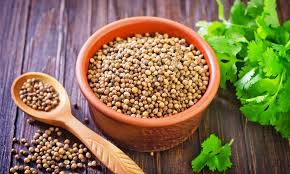
The plant grows with feathery green leaves and small, pale flowers that eventually produce round, brownish seeds. What makes koriandri truly fascinating is how differently the leaves and seeds taste. The leaves are bright, herbaceous, and slightly citrusy, while the seeds have a warm, nutty flavor that deepens when toasted or ground.
Some people experience the flavor of fresh koriandri very differently — to them, it can taste soapy or unpleasant. This reaction comes down to genetics and how the brain perceives certain aromatic compounds in the leaves.
A Journey Through History
Koriandri isn’t a modern invention. In fact, it’s one of the oldest herbs used by humans, with evidence of its use dating back thousands of years in the Mediterranean, Middle East, and beyond. Ancient civilizations placed coriander seeds in tombs as symbols of health and eternal love. From there, coriander spread along trade routes to Asia and Europe, becoming a staple in countless traditional dishes.
This widespread adoption wasn’t just because it tastes good — koriandri quickly became integrated into cultural rituals, medicinal practices, and symbolic traditions. From temple offerings in India to ceremonial foods in Persia, koriandri was much more than a kitchen ingredient; it was part of human life and belief systems.
The Distinct Flavors of Leaves and Seeds
Fresh Leaves (Cilantro)
The leaves of koriandri, often called cilantro in some cultures, have an unmistakable bright, citrus‑like flavor. They’re commonly used fresh, usually added near the end of cooking so that their bold aroma doesn’t fade. You’ll find these fresh greens in dishes like:
- Salads and salsa
- Chutneys and fresh sauces
- Soups and stews
- Tacos, wraps, and rice bowls
This vibrant taste gives dishes a refreshing, lively note that’s hard to replace.
Seeds (Coriander)
The seeds — often just called coriander — offer a different experience. When used whole or ground, they add a warm, slightly citrusy and earthy flavor to dishes. Toasting them brings out their oils and deepens the aroma. These seeds are staples in spice blends like curry powders, garam masala, and regional seasoning mixes.
Roots and Other Parts
In some Asian cuisines, the roots are also used, adding a bold flavor to curry pastes, broths, and marinades. These roots have a stronger and more concentrated taste than the leaves and are prized for authentic regional dishes.
Culinary Uses Around the World
One of the reasons koriandri is so universally loved is its adaptability in cooking. No matter where you travel, you’re likely to find it in local dishes.
South Asian Cuisine
In South Asia, coriander seeds and powder feature prominently in curries, rice dishes, pickles, and spice blends. Fresh leaves are sprinkled over dhal, chutneys, and flatbreads.
Middle Eastern Flavors
In Middle Eastern cooking, coriander seeds flavor stews, kebabs, spice mixes, and even breads. The spice blends often combine coriander with cumin and other warm spices to create complex layers of flavor.
Latin American and Mexican Dishes
In Latin America, the fresh leaves are essential in salsas, guacamole, and sauces, giving dishes a vibrant lift. They balance the heat from chilies and the richness of beans, rice, and grilled meats.
European Cuisine
European cooks use coriander in baking, sausages, pickling, and craft spirits. Its seeds add warmth and depth to breads, terrines, and liqueurs.
Southeast Asian Traditions
In Southeast Asia, both seeds and leaves enhance curries, noodles, and coconut‑based dishes, balancing rich flavors and spices with fresh, herbaceous notes.
Nutritional Value and Health Benefits
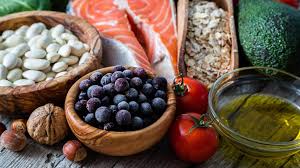
Koriandri is more than just flavor. Packed with nutrients and bioactive compounds, it offers several health‑supporting benefits when included as part of a balanced diet.
Rich in Vitamins and Antioxidants
The leaves contain vitamins A, C, and K, while the seeds provide dietary fiber and essential minerals like calcium, magnesium, and iron. These nutrients support immunity, bone health, and overall wellness.
Digestive Support
For generations, people have used coriander seeds to support digestion. Many enjoy a simple coriander tea after meals to ease bloating and discomfort. Aromatic spices like coriander can help stimulate digestive enzymes and promote gut comfort.
Anti‑Inflammatory and Antioxidant Properties
Koriandri contains antioxidants and anti‑inflammatory compounds that help neutralize free radicals and support cell health. Regular inclusion in meals enriches your diet with protective plant compounds.
Heart Health and Blood Sugar Support
Emerging evidence suggests that koriandri may contribute to heart health by helping manage cholesterol levels and supporting balanced blood sugar, although it shouldn’t replace medical advice or treatment.
Detoxification and Immune Function
Traditionally, coriander has been used in natural detox regimens and to help remove heavy metals from the body. The fresh leaves’ vitamin C also supports immune function.
Growing Koriandri at Home
One of the great things about koriandri is how easy it is to grow. Whether you have a backyard garden or a sunny windowsill, you can enjoy fresh koriandri at home.
- Soil and sunlight: Prefers well‑drained soil and moderate sun.
- Watering: Keep soil moist but not waterlogged.
- Harvesting: Snip leaves as needed; allow some plants to go to seed for coriander seeds.
Growing your own means always having fresh herbs on hand — and it deepens your appreciation for this ancient plant.
How to Store and Use Koriandri
To keep your koriandri fresh and flavorful:
- Fresh leaves: Store washed and wrapped in a damp paper towel inside the fridge.
- Seeds: Keep whole seeds in an airtight container in a cool, dark place.
- Ground seeds: Use shortly after grinding for best flavor.
Use the leaves toward the end of cooking or as a garnish for maximum aroma. Toast seeds before grinding to awaken their oils and deepen flavor.
Conclusion: A Herb Worth Celebrating
Koriandri is more than just another ingredient — it’s a living legacy of human culture, flavor, and health. From ancient traditions to modern kitchens, this herb continues to connect cuisines across continents and generations. Its scent evokes memories, its taste adds depth, and its benefits nourish the body in subtle yet meaningful ways.
Whether you’re new to koriandri or a seasoned fan, the key is to explore its many forms — fresh leaves, toasted seeds, fragrant roots — and enjoy the delicious and wholesome experiences it brings to your table. As both a kitchen staple and a natural wellness partner, koriandri is truly one of nature’s most remarkable herbs.
Frequently Asked Questions (FAQs)
- What is koriandri?
Koriandri refers to the herb and spice from the Coriandrum sativum plant, known for its fresh leaves and aromatic seeds. - Why does koriandri taste soapy to some people?
Genetics influence how people perceive certain aromatic compounds in the leaves, leading some to detect a soapy flavor. - Can koriandri help with digestion?
Yes, coriander seeds are traditionally used to support digestion and may help reduce bloating and discomfort. - Is there a difference between cilantro and coriander?
In many regions, cilantro refers to the fresh leaves, while coriander refers to the seeds or dried spice, even though they come from the same plant. - How do I use koriandri in cooking?
Use fresh leaves as a garnish or in salads, and add toasted seeds to spice blends, curries, and baked goods for warm, earthy flavor.
