
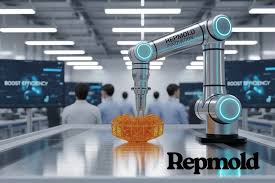
In the evolving landscape of modern manufacturing and material processing, innovative techniques and tools continue to shape how products are designed, developed, and produced. One such emerging term gaining attention is repmold. While not yet widely understood by the general public, repmold is becoming increasingly relevant in industries that rely on precision, efficiency, and repeatability.
This article explores what repmold is, how it works, its applications, and why it matters for businesses and professionals looking to stay competitive in today’s production-driven world.
What Is RepMold?
At its core, repmold refers to a specialized molding concept or system used for creating consistent replicas of objects, components, or designs. The term itself combines “replication” and “mold,” highlighting its main purpose: producing identical parts with high precision.
Unlike traditional molding methods, repmold often emphasizes repeatability, reduced waste, and enhanced production speed. It is particularly valuable in industries where even the smallest variation in design can lead to performance issues or quality concerns.
How RepMold Works
The Basic Process
The process behind repmold typically involves creating a master model, which serves as the original template. This model is then used to design a mold that can reproduce the same shape multiple times.
Once the mold is ready, materials such as plastic, resin, or metal are introduced into it under controlled conditions. After cooling or curing, the finished product is removed, maintaining the exact specifications of the original model.
Key Elements of RepMold Systems
- Precision mold design to ensure accuracy
- High-quality materials that maintain structural integrity
- Controlled temperature and pressure conditions
- Repeatable processes that minimize variation
These elements make repmld a reliable solution for mass production and prototyping alike.
Applications of RepMold
Manufacturing Industry
One of the primary uses of repmld is in manufacturing. Companies rely on it to produce large volumes of identical parts, from automotive components to consumer electronics.
The consistency offered by repmld ensures that each unit meets strict quality standards, reducing the chances of defects and improving overall reliability.
Product Prototyping
For designers and engineers, repmld plays a crucial role in prototyping. It allows multiple versions of a product to be tested quickly without the need to create new molds from scratch each time.
This speeds up the development process and helps teams refine their designs more efficiently.
Medical and Healthcare
In the medical field, precision is critical. Repmld is used to create components such as medical devices, implants, and tools that require exact measurements and consistent quality.
The ability to replicate designs accurately ensures patient safety and compliance with strict regulations.
Creative and Custom Design
Artists and designers also benefit from repmld. It allows them to reproduce sculptures, decorative items, and custom pieces without losing the original design’s details.
Key Benefits of RepMold

Consistency and Accuracy
One of the biggest advantages of repmold is its ability to produce identical items repeatedly. This is essential for industries where even minor differences can impact performance.
Cost Efficiency
Although the initial setup may require investment, repmld becomes highly cost-effective over time. Producing large quantities using a single mold reduces material waste and labor costs.
Time Savings
The streamlined process of repmld allows for faster production cycles. Businesses can meet tight deadlines without compromising on quality.
Versatility
Repmld can be applied to a wide range of materials and industries. Whether it’s plastic, metal, or composite materials, the process adapts to different needs.
Challenges and Considerations
While repmold offers numerous advantages, it is not without challenges.
Initial Setup Costs
Designing and creating a high-quality mold requires expertise and investment. For small-scale operations, this may be a barrier.
Maintenance Requirements
Molds need regular maintenance to ensure they continue to produce accurate results. Over time, wear and tear can affect performance.
Material Limitations
Not all materials are suitable for repmld processes. Selecting the right material is crucial for achieving the desired outcome
RepMold vs Traditional Molding
Differences in Approach
Traditional molding methods often focus on producing parts in bulk but may not prioritize repeatability to the same extent as repmld.
In contrast, repmld is specifically designed to ensure that every product matches the original model with minimal variation.
Efficiency Comparison
While both methods can be efficient, repmld stands out for its ability to maintain quality over long production runs.
Use Cases
- Traditional molding: general-purpose production
- Repmold: high-precision, repeatable manufacturing
Why RepMold Matters Today
In a world where consumers expect high-quality products and businesses face increasing competition, processes like repmld are more important than ever.
Companies that adopt repmold can:
- Improve product consistency
- Reduce production errors
- Enhance customer satisfaction
- Stay ahead of competitors
As industries continue to evolve, the demand for reliable and efficient production methods will only grow, making repmld a valuable tool for the future.
Practical Insights for Businesses

When to Use RepMold
Businesses should consider repmold when they need to produce large quantities of identical parts or when precision is critical.
Choosing the Right Materials
Selecting materials that work well with repmld processes is essential. Factors such as durability, flexibility, and heat resistance should be evaluated.
Investing in Expertise
Working with experienced professionals ensures that the mold design and production process meet industry standards.
Future Trends in RepMold
The future of repmld looks promising as technology continues to advance.
Integration with Automation
Automation is making repmld processes faster and more efficient. Machines can now handle repetitive tasks with greater accuracy.
Advanced Materials
New materials are being developed that enhance the capabilities of repmld, allowing for stronger and more durable products.
Sustainability Focus
Manufacturers are exploring ways to make repmold more environmentally friendly by reducing waste and using recyclable materials.
Conclusion
Repmld represents a significant step forward in the world of manufacturing and design. Its ability to produce consistent, high-quality replicas makes it an essential tool for industries ranging from automotive to healthcare.
While there are challenges to consider, the benefits of repmld far outweigh the drawbacks for businesses that prioritize precision and efficiency. As technology continues to evolve, repmld is likely to play an even greater role in shaping the future of production.
FAQs
What does repmold mean?
Repmld refers to a molding process or system designed to replicate objects with high precision and consistency. It combines the concepts of replication and molding to produce identical parts efficiently.
Is repmold suitable for small businesses?
Yes, repmld can be used by small businesses, especially for prototyping or specialized production. However, the initial setup cost may require careful planning.
What materials can be used in repmold?
A variety of materials can be used in repmld, including plastics, resins, and certain metals. The choice depends on the specific application and desired properties.
How is repmold different from traditional molding?
Unlike traditional methods, repmold focuses on repeatability and precision, ensuring that each product matches the original design with minimal variation.
Why is repmold important in modern manufacturing?
Repmold is important because it improves product consistency, reduces errors, and increases efficiency, helping businesses meet high-quality standards and customer expectations.
