
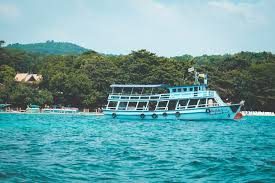
The word veneajelu comes from Finnish and literally means boat ride or cruise. At its core, a veneajelu is a simple pleasure: the experience of travelling over water in a boat. But beyond this basic meaning, veneajelu captures something deeper about human connection to nature, freedom, and the cultural significance of water‑based travel in countries with abundant lakes and coastlines, especially Finland. In this article, we explore the concept of veneajelu, its cultural roots, the physical and psychological benefits of boat rides, how it shapes local tourism, and why this tradition remains timeless.
What a Veneajelu Really Means
In everyday use, refers to any excursion on a boat — whether it’s a short, leisurely float on a quiet lake, a full‑day sightseeing cruise, or a social outing with friends and family. Unlike long sea voyages, a veneajelu generally implies a relaxed pace and a sense of simplicity. It’s about being present on the water: the rhythmic motion, the sound of waves, and the changing horizon.
For many, veneajelu is not just transportation; it’s a form of recreation. People take pleasure in the motion of gliding through water, the cool breeze on their face, and the ever‑changing reflections of light on the surface. Whether powered by oars, a small motor, or wind in the sails, the vessel becomes a moving vantage point that reconnects passengers with the environment.
Cultural Roots of Veneajelu
While the experience of a boat ride is universal, has particular cultural significance in regions like Finland, where water is central to daily life. With thousands of lakes and an extensive archipelago along the Baltic Sea, Finns have long embraced life on and around the water. For centuries, residents used boats for fishing, transport, and seasonal work — and over time, these practical voyages evolved into recreational veneajelu.
In Finnish culture, water is associated with serenity, reflection, and escape from the pressures of daily life. It is common for families to take boat rides in the summer, often as part of a weekend at a summer cottage (mökki), where a becomes a ritual that marks relaxation and togetherness. Even children grow up with memories of these trips: learning to row, helping with small tasks on deck, or simply leaning back and listening to the gentle splash of water.
Thus, veneajelu is not only a physical activity but also a cultural practice that reinforces community bonds and fosters an appreciation of natural beauty.
Scenic and Emotional Appeal
One of the most compelling reasons people cherish a veneajelu is its impact on mental and emotional well‑being. Water has a calming effect on the human mind and can reduce stress, lower blood pressure, and provide a meditative experience. Being on a boat encourages mindfulness: there’s nothing to rush toward, no deadlines to meet, just the present moment.
Observing nature from the water brings perspective. From the quiet ripples of a lake at dawn to the expanse of a broad river under an open sky, a invites people to slow down and absorb their surroundings. Birdsong, distant shorelines, the scent of fresh water — these small details become amplified against the backdrop of gentle motion.
This emotional appeal is why many people, especially in modern, high‑pressure societies, continue to seek out veneajelu not only as a leisure activity but as a form of restoration.
Types of Veneajelu Experiences
Though the basic idea of is straightforward, the ways people experience it are diverse:
1. Leisurely Lakeside Cruises
These are perhaps the most familiar form of veneajelu, popular around lakeshores where calm waters allow for slow, scenic rides. Families, couples, and solo travellers alike enjoy these relaxed excursions.
2. Day Trips and Water Tours
In regions with rich natural landscapes, can take on a more exploratory tone: island hopping, wildlife observation, or guided tours that highlight geological and cultural landmarks.
3. Sunset or Evening Rides
When the sun dips low and the sky blazes with colour, a veneajelu at dusk becomes a romantic or reflective ritual. The interplay of light and water creates a magical experience that many travellers seek.
4. Adventure and Sports Boats
For those seeking more speed and thrill, motorized veneajelu options on larger bodies of water provide a sense of excitement, combining wind, acceleration, and aquatic freedom.
5. Festival and Night Cruises
Some communities incorporate into local celebrations, offering music, dining, or themed events onboard. These communal rides elevate the concept into a shared cultural experience.
The Practical Side: Skills and Safety

While the romantic aspect of a veneajelu is universally appealing, there is also a practical and skill‑based element to enjoy it responsibly. Boat handling requires awareness of weather, currents, and navigation rules. Basic safety practices — such as wearing life jackets, checking the vessel’s condition, and understanding local water regulations — are fundamental to a successful outing.
Many regions offer boat safety courses to help novices develop confidence before they embark on their first veneajelu. These courses often cover how to steer, how to read simple navigational markers, and what to do in emergencies.
Economic and Tourism Impacts
In many countries with rich bodies of water, has economic importance beyond personal recreation. Tourism operators offer boat rental services, guided water tours, and luxury cruises, tapping into both local communities and international visitors.
Tourism boards frequently promote veneajelu as a key attraction, emphasising pristine lakes, dramatic archipelagos, and unforgettable water views. For local businesses — from boat rental shops to lakeside restaurants — these excursions generate revenue and help sustain livelihoods tied to seasonal travel.
Additionally, a well‑developed offering can elevate a destination’s reputation. Regions known for crystal‑clear waters, scenic shorelines, and memorable boat trips become desirable travel destinations, creating a positive feedback loop between tourism and local investment.
Environmental Considerations
While veneajelu is inherently connected to nature, it also raises environmental considerations. Boat emissions, waves near sensitive shorelines, and waste management are issues that responsible operators and enthusiasts must manage.
Increasingly, electric boats, cleaner engines, and eco‑friendly boating practices are being promoted. Many veneajelu providers now emphasise sustainability: minimizing ecological impact, reducing noise pollution, and educating participants about local ecosystems.
This environmental mindfulness ensures that the pleasure of a veneajelu today does not come at the expense of tomorrow’s natural heritage.
The Future of Veneajelu
As technology and environmental awareness evolve, so too will the experience of veneajelu. Future trends are likely to include:
- Electric and solar‑powered boats for zero‑emission outings
- Augmented reality tours that enrich water excursions with historical or ecological commentary
- Smart boat rental systems that integrate apps, GPS, and user safety features
- Eco‑education cruises focused on wildlife conservation and cultural heritage
In every case, the core appeal of veneajelu — connection to water, nature, and shared experience — remains central. It continues to be a symbol of leisure, exploration, and cultural identity.
Conclusion: Why Veneajelu Endures
A veneajelu may sound like a simple boat ride, but its meaning runs deep. It represents humanity’s enduring fascination with water — an invitation to slow down, explore, and connect. Whether taken as a solitary reflective trip, a social outing with friends, or a guided tour through scenic waterways, veneajelu offers a blend of serenity, beauty, and cultural significance.
From personal enjoyment to economic impact and environmental evolution, veneajelu is far more than a word — it is a living tradition that captures both the simplicity of a boat ride and the complexity of human experience on the water
